Some comic book moments aren’t just memorable, I mean… they redefine everything. The Night Gwen Stacy Died and The Death of Captain Stacy are two of those moments. They didn’t just change Peter Parker’s life; they changed comics forever. These weren’t just superhero stories. They were tragedies, reminders that being Spider-Man wasn’t just about web-slinging and witty banter. It was about loss, responsibility, and the harsh reality that sometimes, the hero doesn’t save the day.
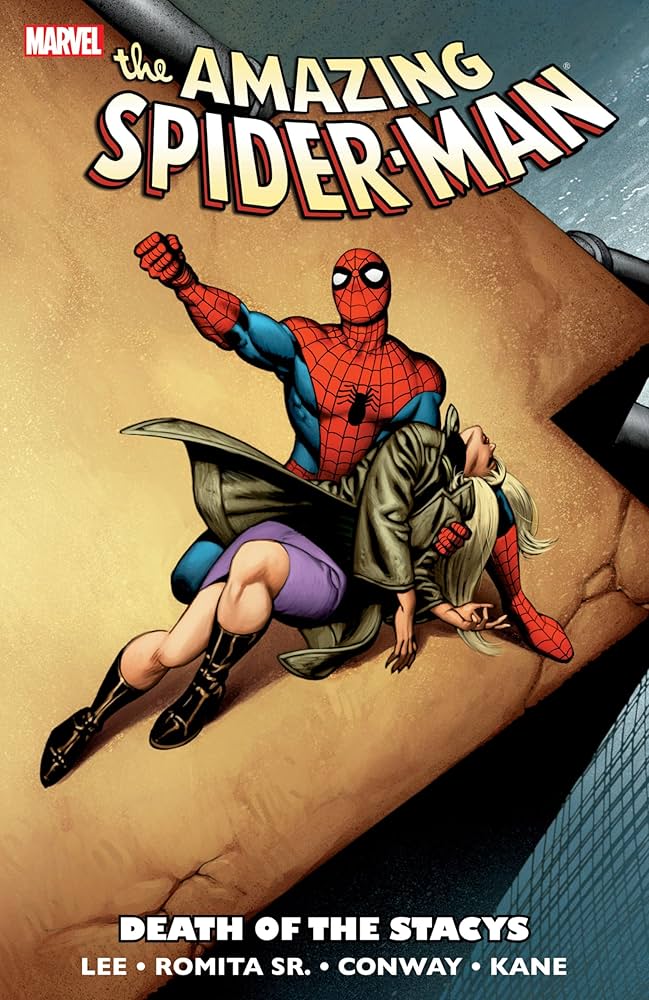
The death of Captain George Stacy came first, in The Amazing Spider-Man #90 (1970). A respected police captain, George Stacy was one of the few people who saw Spider-Man for what he truly was: a hero. During a battle between Spidey and Doctor Octopus, falling debris struck Captain Stacy. His final words? A whispered plea to Peter: “Take care of Gwen.” That moment was gut-wrenching because it wasn’t just a loss for Peter, it was a foreshadowing of what was to come.
Then came The Night Gwen Stacy Died (The Amazing Spider-Man #121-122, 1973). If you’ve read comics or seen The Amazing Spider-Man 2 (2014), you know how this goes. The movie was really good by the way. The Green Goblin, Spider-Man’s greatest foe kidnaps Gwen and drops her from the George Washington Bridge (or Brooklyn Bridge, depending on how you interpret the art). Peter catches her with his web, but the whiplash snaps her neck. In an instant, she’s gone. Just like that. No second chances, no last-minute save. I mean… damn.

This was the moment Spider-Man comics grew up. Superheroes always saved the girl, right? Not this time. Gwen Stacy’s death was shocking, heartbreaking, and in many ways, unavoidable. It wasn’t just a turning point for Peter; it was a turning point for comic book storytelling. Before this, superheroes rarely faced consequences that lasted. But Gwen’s death wasn’t reversed, undone, or forgotten. It haunted Peter for years.
Norman Osborn’s fate followed soon after in The Amazing Spider-Man #122, but even his death didn’t bring closure. Peter had learned a painful truth: being Spider-Man meant sacrifice. No matter how hard he tried, he couldn’t protect everyone.
Even today, these stories remain some of the most powerful in Spider-Man’s history. They remind us why Peter Parker is one of the most relatable heroes ever created. He’s not invincible. He makes mistakes. And sometimes, he loses the people he loves the most. That’s what makes Spider-Man great, not just the powers or the costume, but the fact that he keeps going, even when it hurts.


 ComicBookClog